What Happens When Asia Runs Short of Workers?
For much of modern economic history, governments have worried about whether their economies could create enough jobs. Across parts of Asia, that question is beginning to reverse.

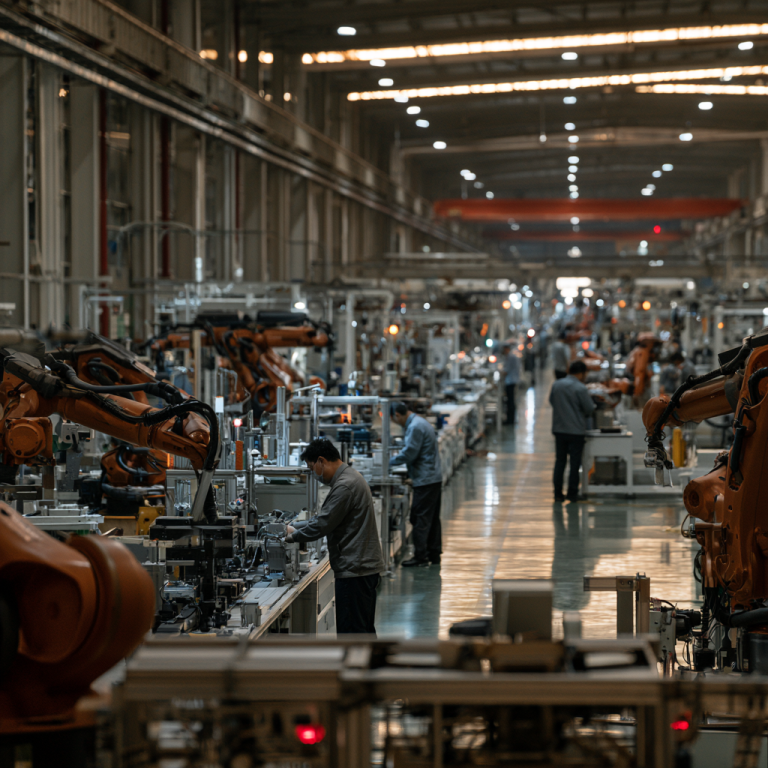
For much of modern economic history, governments have worried about whether their economies could create enough jobs. Across parts of Asia, that question is beginning to reverse.

Institutional investors have never had greater access to global markets. Capital moves across borders in seconds, companies publish information simultaneously to investors around the world and advances in technology have transformed both the speed and cost of international investing. In theory, geography should matter less than ever.

For much of the past decade, investing in the United States has felt less like a tactical decision and more like the default setting of global portfolio construction.
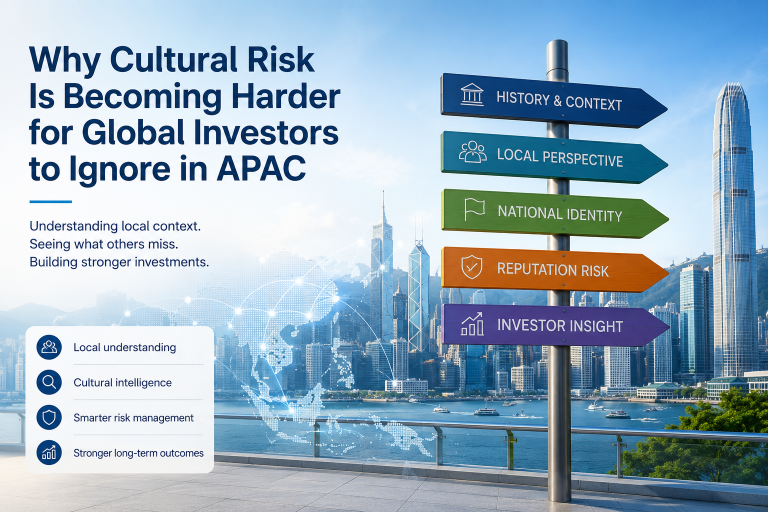
Many multinational companies now view APAC as central to long-term growth. China, South Korea, Japan, India and Southeast Asia have become some of the most strategically important consumer markets in the world, shaping everything from luxury demand and technology adoption to entertainment, retail and financial services.

For more than a decade, markets have operated with an increasingly powerful assumption: when stress becomes severe enough, governments and central banks will step in.
During the pandemic, fiscal stimulus and liquidity injections prevented widespread economic collapse.

Markets have a habit of treating new technologies as reset points – moments when the old rules no longer apply. Artificial intelligence is being framed in much the same way.

The latest FT-Statista High-Growth Companies Asia-Pacific 2026 ranking offers a compelling snapshot of one of the most dynamic regions in the global economy.

For much of the twentieth century, national security planning focused on protecting physical infrastructure such as oil fields, shipping routes, pipelines, and power stations. These assets powered industrial economies and were therefore natural targets during periods of geopolitical conflict.

Energy security is quietly becoming one of the more important variables in global asset allocation.
Large asset owners – pension funds, sovereign wealth funds, and insurers – are deeply exposed to sectors that depend on reliable, affordable power.

Gold has long occupied a unique position in institutional portfolios. However, unlike equities, bonds, or credit instruments, it generates no cash flow and has limited industrial utility relative to other commodities. Yet across decades of market cycles, it has persisted as a strategic allocation – primarily because investors view it as protection against systemic risk.