If the Next Rate Move Depends on a Vote, Is It Still Monetary Policy?
Financial markets pride themselves on being rational. Data in, pricing out – clean, clinical, objective, but 2025 is making even the most disciplined investors uneasy.


Financial markets pride themselves on being rational. Data in, pricing out – clean, clinical, objective, but 2025 is making even the most disciplined investors uneasy.

In the fast-moving world of tech, reinvention is often talked about but rarely executed well. The tale of Nokia – once a Finnish paper mill, then a mobile phone titan, and now a telecom infrastructure player – is a rare example of corporate metamorphosis.

We know that the financial market moves at a lightning-fast pace, but even the portfolio puzzle isn’t what it used to be.
In an era where headlines shift faster than fundamentals, the modern investor faces a new imperative: return diversity. The old 60/40 model may have provided comfort in its simplicity, but today’s environment of higher volatility, shifting rate cycles, and geopolitical complexity demands more nuanced thinking.

When Michael Burry – made famous by The Big Short – revealed he was betting against Palantir and Nvidia, it barely rattled the markets. Just days later, his hedge fund, Scion Asset Management, was being wound down. For a generation of investors who once revered him as the man who foresaw the 2008 crisis, it was a sobering moment.

In the APAC region, investors often pride themselves on deep local market knowledge.
Whether it’s regulatory nuances in Southeast Asia, sector-specific shifts in India, or the unique rhythm of Chinese policymaking, regional expertise has long been considered a competitive advantage

For over three decades, Japan’s Nikkei 225 was the poster child for how long it can take a stock market to recover. After peaking at 38,957 in December 1989, the index entered a prolonged decline that mirrored the countrys economic stagnation, a lost decade that stretched well into a lost generation.
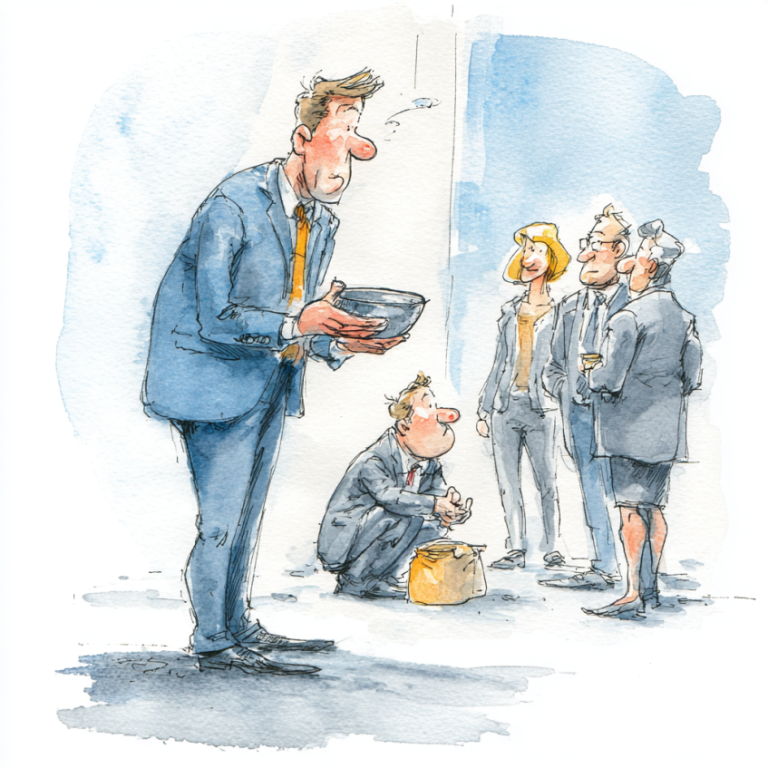
As geopolitical tensions tighten and trade alliances fracture, a new chapter in global economic strategy is taking shape, and it’s being written in Asia.

Once Mavericks, but now monitored more closely than ever, how has the life of a professional trader changed over the years?
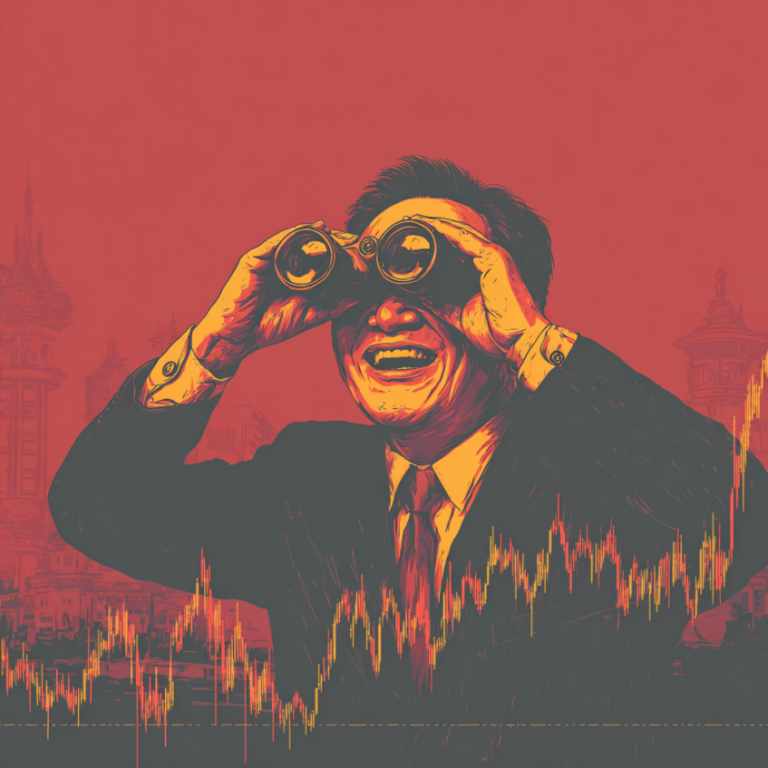
For more than two decades, China’s property sector stood at the heart of its economic expansion. From skylines rising in record time to a booming middle class investing in homes as their primary store of wealth, real estate was more than an asset class – it was an engine of growth.

For decades, gold has flirted with portfolio fame, serving as a hedge here and a crisis play there. However, in 2025, that flirtation has evolved into something far more serious. With prices surging nearly 50% year-to-date, hitting an all-time high of $3,800 per troy ounce, institutional capital is no longer treating gold as a sideshow.