Are Safe Havens Just Self-Fulfilling Prophecies?
When markets tremble and headlines scream uncertainty, investors do what they’ve done for centuries: they run to safety. But what exactly makes an asset “safe”?


When markets tremble and headlines scream uncertainty, investors do what they’ve done for centuries: they run to safety. But what exactly makes an asset “safe”?
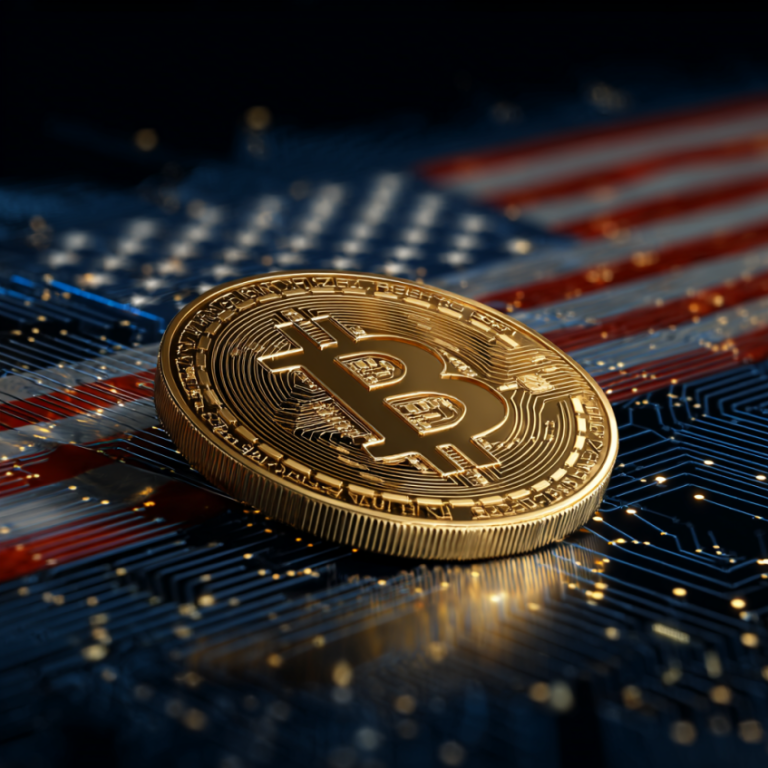
Cryptocurrency companies are accelerating their push into the traditional US banking sector, a move that would have been unthinkable just a few years ago. Once defined by their rebellious ethos and slogans like be your own bank, crypto businesses now want official bank charters, trust licenses, and direct ties to the Federal Reserve.

Financial history is littered with moments that seemed unimaginable – until they happened. From the 2008 Global Financial Crisis to the COVID-19 pandemic, so-called Black Swan events have repeatedly reshaped markets, portfolios, and economic thinking. Defined by their extreme rarity, massive impact, and retrospective predictability, Black Swans remind investors that risks often lurk beyond our models and forecasts.

Imagine three drivers approaching a winding mountain road. One inches along, foot hovering over the brakes, another zips forward, testing the limits of every curve, and a third pulls over, checks the map, and calls ahead to ask about weather conditions.
Thats Europe, the US, and Asia-Pacific when it comes to investing – but not in that order!
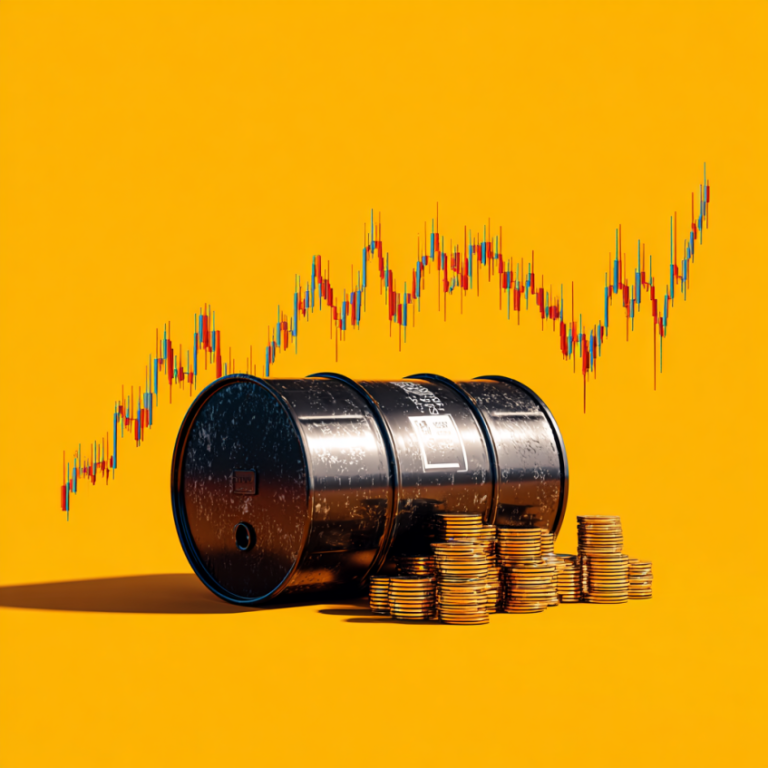
In decades past, the spectre of Middle East conflict sent shockwaves through global markets. Oil would spike, equities would plunge, and investors would rush to safe havens like gold and Treasuries. But today, as geopolitical flashpoints flare across the region and fears of deeper US military involvement loom, the reaction from global markets has been surprisingly muted.

As Southeast Asia’s financial ecosystem digitalises, a quietly powerful trend is gaining momentum: Islamic FinTech. Combining Sharia-compliant financial principles with cutting-edge mobile technologies, this sector is rapidly scaling in two regional powerhouses – Indonesia and Malaysia. For professional investors, it offers a rare intersection of untapped demographics, ESG alignment, and government-backed innovation.

As global investors seek new growth frontiers, one region continues to command attention: the Asia-Pacific (APAC). APAC has become a critical pillar of the worldwide tech ecosystem, from semiconductors to digital infrastructure. However, this isn’t just about catching up to Silicon Valley. It’s about leapfrogging into the next decade of innovation.

For decades, passive investors followed a simple logic: track the index, accept market cap weights, and let the trend do the work. However, using the U.S. as a case study, that logic has come under pressure since 2023, driven by the extraordinary dominance of the Magnificent Seven: Apple, Microsoft, Alphabet, Amazon, Nvidia, Meta Platforms, and Tesla.

In the world of professional investing, where margins are thin and milliseconds matter, any edge – no matter how unconventional surely warrants a closer look. One such underexplored variable is your circadian rhythm.

Environmental, Social and Governance (ESG) investing has become a pillar of modern capital allocation. Yet behind the glossy reports and sustainability claims, a growing number of sophisticated investors are exploiting regulatory mismatches across jurisdictions to gain a marketing edge. Welcome to the world of ESG arbitrage!